
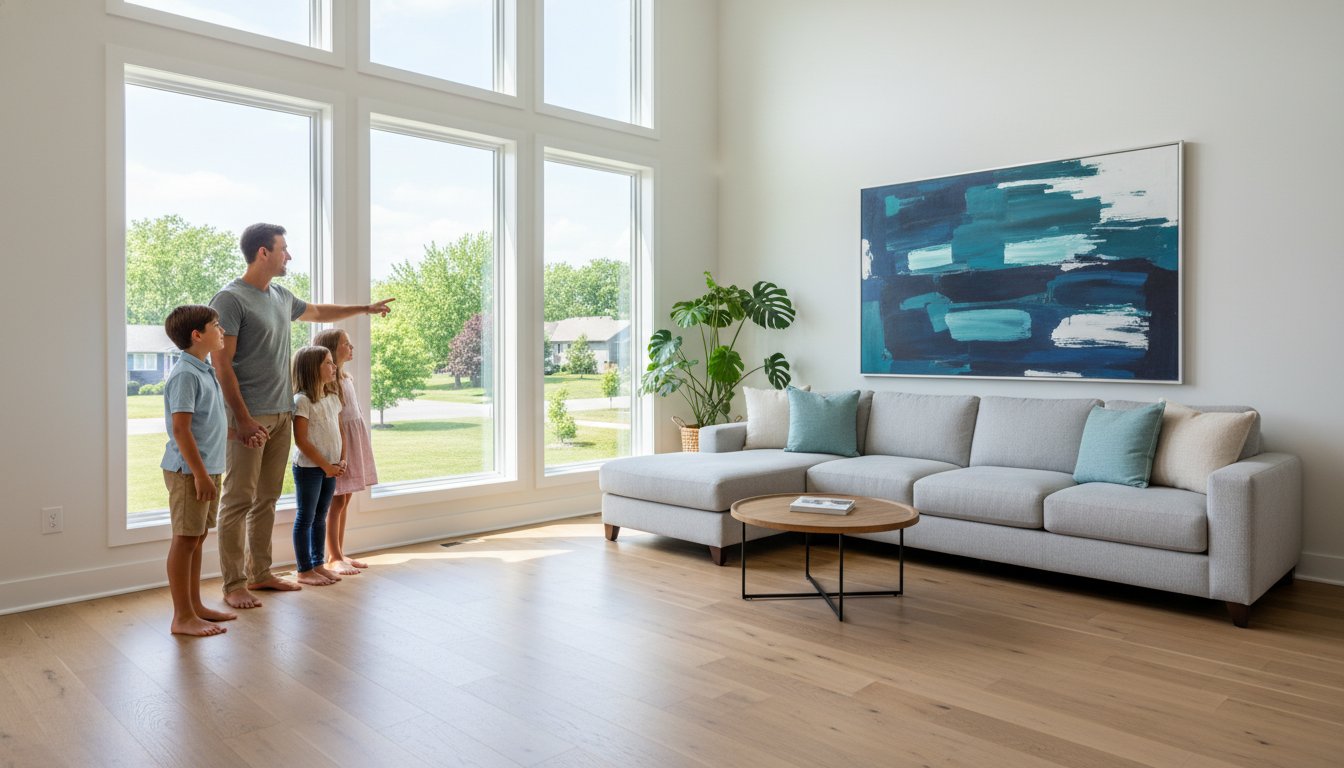
Did you know that staged homes typically spend 33% to 73% less time on the market compared to those left in their everyday state? Preparing a residence for sale often brings a wave of clutter, cost concerns, and uncertainty about which improvements actually matter. It's a high-stakes transition that requires a steady hand and a clear plan. By implementing strategic home staging tips for sellers, you can move away from guesswork and toward a position of professional advantage. We understand that selling your property is more than a financial transaction; it's a significant personal milestone that deserves a methodical approach.
This guide promises to transform your West Michigan property into a buyer's dream through a precise, room-by-room staging checklist. You'll learn how to leverage 2026 trends like organic color palettes, functional home offices, and sustainable materials to create an atmosphere of emotional security. We'll preview the essential steps to secure higher offers, faster timelines, and a truly stress-free move to your next chapter.
Key Takeaways
- View home staging as a methodical marketing tool designed to position your property as a premier choice in the evolving Grand Rapids real estate landscape.
- Discover the psychology behind the "Lifestyle Story" to help potential buyers visualize their own future milestones within your walls.
- Utilize a detailed, room-by-room guide of home staging tips for sellers that prioritizes high-impact zones like the kitchen and primary bedroom.
- Master the art of the "West Michigan Welcome" by addressing seasonal curb appeal and front entry intentionality for a lasting first impression.
- Learn how a concierge-style listing approach integrates professional photography to ensure your home stands out in a competitive digital market.
The Strategic Value of Home Staging in the 2026 Market
Selling a home is a profound life transition. To navigate this process successfully, one must look beyond simple aesthetics and view the property through the lens of a strategic advisor. What is Home Staging? At its core, it's a methodical marketing tool designed to highlight a property's strengths and minimize its flaws. In the current grand rapids real estate climate, buyers are more discerning than ever. They aren't just looking for a structure; they're looking for a lifestyle that feels both aspirational and attainable. Staging provides clarity, builds confidence, and secures value.
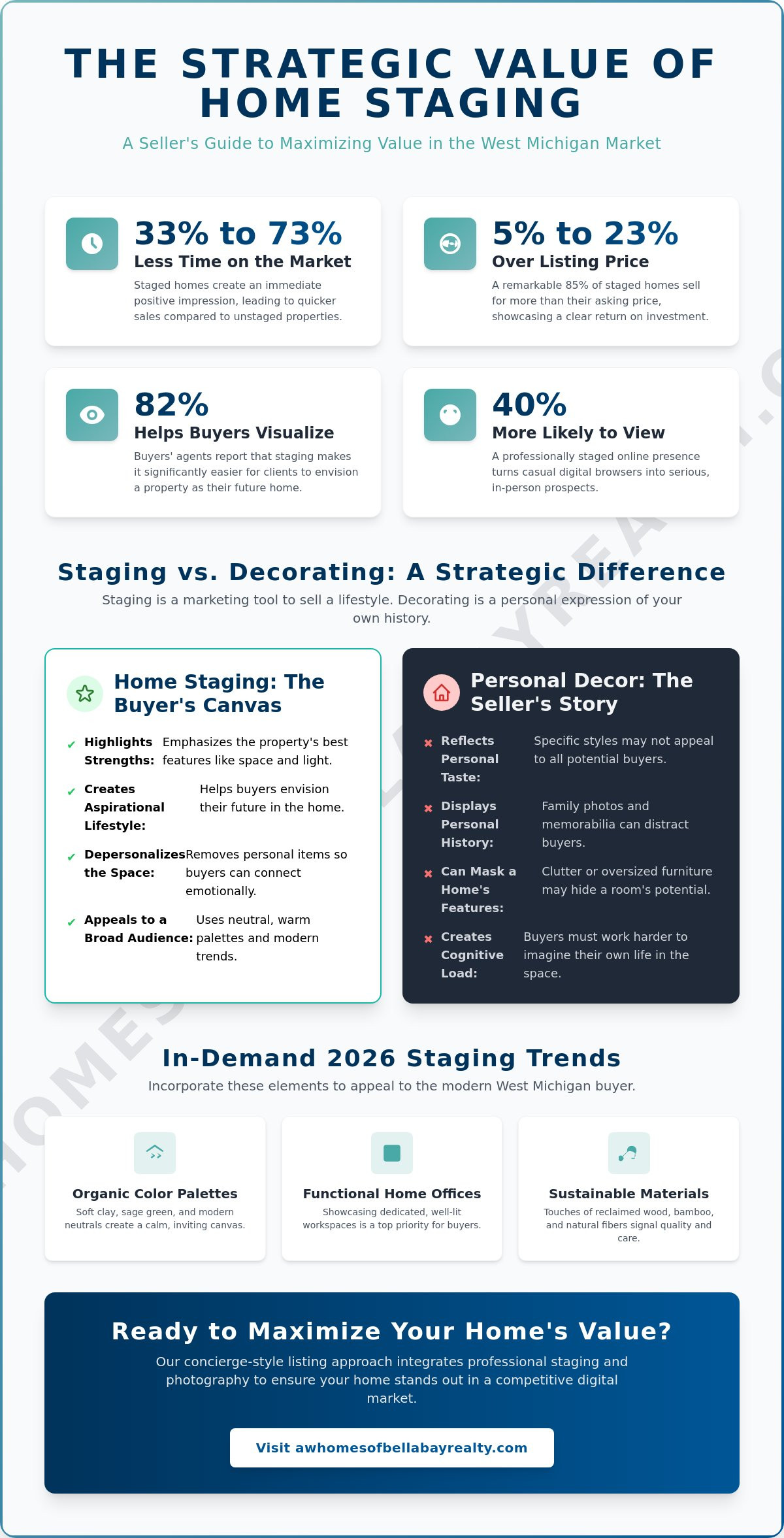
The data supporting this approach is compelling. When implementing home staging tips for sellers, you're not just moving furniture; you're managing perception. Research from 2026 indicates that 85% of staged homes sold for 5% to 23% over their listing price. Additionally, these properties spend 33% to 73% less time on the market. Staging creates a sense of emotional security by presenting a home that appears meticulously maintained. This preparation is vital because of the "First 15 Seconds" rule. Within this narrow window, a buyer forms a subconscious opinion that dictates the rest of their tour. If the entry feels cramped or cluttered, the buyer's enthusiasm drops instantly.
The Local Competitive Edge in West Michigan
In high-demand enclaves like Forest Hills and Ada, professional presentation has become a baseline expectation rather than a luxury. Executive listings require a level of intentionality that general listings often overlook. Today's buyers begin their journey on a screen. In fact, 40% of buyers are more likely to schedule a viewing for a home they've seen staged online. A digital-first staging strategy ensures your property captures attention immediately, turning casual scrollers into serious prospects. By showcasing high-quality, functional spaces, you distinguish your home as a premier choice in the regional market.
Staging vs. Decorating: Understanding the Difference
Decorating is a personal expression of your own identity and history. Staging, however, is an invitation for the buyer to project their own future onto the space. The goal is to create a "neutral but warm" environment that feels lived-in but not occupied by someone else's memories. For the 2026 buyer, the strategic objective of staging is to curate a functional, organic environment that minimizes cognitive load and maximizes emotional connection. By focusing on home staging tips for sellers that emphasize modern neutrals like sage green or soft clay, you create a canvas where any buyer can see their own life unfolding.
The Psychology of Staging: Creating an Emotional Canvas
Successful real estate transactions are rarely just about the exchange of physical space. They are about the transition from one life chapter to another. When you list your property, you aren't just selling four walls; you're selling a "Lifestyle Story." This narrative allows a buyer to envision their own future milestones, from quiet morning coffees to festive holiday gatherings. Effective home staging tips for sellers focus on reducing the cognitive load for buyers. If a space is filled with your personal history, the buyer's brain works too hard to filter you out. By creating a clean, intentional canvas, you provide the emotional security they need to feel at home immediately.
One of the most common questions we hear is why buyers can't simply "look past" existing decor. The reality is that 82% of buyers' agents report that staging makes it significantly easier for clients to visualize a property as their own. When a home feels safe, clean, and well-maintained, it signals that the structure itself is reliable. Sensory appeal plays a vital role here. A home kept at a comfortable temperature with a subtle, natural scent like white tea or citrus feels inviting. Lighting should be layered to eliminate dark corners that might suggest neglect or hidden issues. If you are preparing for a sale, our residential listing services are designed to help you master these subtle psychological cues.
The Power of De-Personalization Without Sterilization
The goal of de-personalization is not to create a sterile, hospital-like environment. It's about shifting the focus from the past to the future. While you should remove family photos and highly specific collectibles, replace them with generic lifestyle art that evokes a feeling rather than a specific memory. Clear horizontal surfaces like kitchen counters and coffee tables to suggest abundance and ease. Remember that over-cluttered closets are a major psychological deterrent. If a closet is bursting at the seams, a buyer subconsciously assumes the home lacks adequate storage, regardless of the actual square footage.
Lighting Strategies for Every Room
Lighting is perhaps the most cost-effective tool in your staging arsenal. Begin by maximizing natural light; clean every window and keep treatments open during showings. We recommend the "Three-Point Lighting" rule to create depth and warmth: use overhead fixtures for general illumination, task lighting for work areas, and ambient lamps for a soft glow. Choosing the right bulb is critical. In 2026, the preference has shifted toward a modern, inviting glow. Use bulbs with a temperature between 3000K and 3500K. This range avoids the harsh blue of daylight bulbs and the overly yellow tone of traditional incandescents, ensuring your home looks its best in both person and photography.
The Room-by-Room Staging Checklist for Maximum Impact
Transforming a lived-in property into a market-ready asset requires a transition from personal comfort to professional presentation. This process follows a methodical sequence that guides a buyer's journey from the front entry to the final exit. By applying targeted home staging tips for sellers, you ensure that every square foot serves a specific purpose. One essential technique for styling surfaces like coffee tables or mantels is the "Rule of Three." This involves grouping three items of varying heights, such as a tall vase, a medium-sized book, and a small decorative bowl. This arrangement creates visual interest, maintains balance, and prevents a space from feeling cluttered or sparse.
The Kitchen and Dining Area: The Heart of the Home
The kitchen serves as the heart of the home, where pristine countertops and intentional styling suggest a life of both efficiency and warmth. We recommend a strict clear-counter policy for all daily appliances. While the toaster and coffee maker are functional for your morning, they should be tucked away to maximize the appearance of workspace. For the pantry, follow the "half-empty" rule. By removing 50% of your dry goods, you demonstrate that the home offers more storage than the buyer will ever need. In West Michigan, a casual table setting often resonates better than stiff formality. A simple runner with high-quality linen napkins and a bowl of fresh, seasonal fruit communicates a welcoming, localized lifestyle.
The Primary Suite: Creating a Sanctuary
In the primary bedroom, the objective is to create a sanctuary that feels removed from the stresses of daily life. Focus on bedding strategies that utilize high-thread-count white linens and layered textures. A crisp, white duvet acts as a focal point of cleanliness and luxury. Keep nightstands minimal, featuring only a single lamp and perhaps one small book to maintain a restful atmosphere. The "Spa Bathroom" effect is equally critical. You can achieve this by displaying plush white towels, high-end soaps, and ensuring all personal toiletries are completely out of sight. These small details foster a sense of indulgence and order.
Versatile Spaces: Offices and Finished Basements
Modern buyers prioritize functionality. If you have a "bonus" room, define its purpose clearly to prevent buyer confusion. Staging a dedicated home office is particularly effective for the modern remote worker; a simple desk, an ergonomic chair, and a single green plant can define the space's utility. Don't overlook the potential of Michigan basements. Whether finished or unfinished, these areas should be clean, well-lit, and organized to highlight their potential for recreation or deep storage. When these spaces are presented with intentionality, they become valuable assets in our residential listing services, ensuring your home stands out in a crowded market.
Curb Appeal and Exterior Staging: The West Michigan Welcome
The physical journey of a potential buyer begins long before they cross your threshold. In the competitive landscape of West Michigan, the exterior of your property serves as a silent introduction to the care and intentionality found within. If you aim to sell my home Forest Hills MI, you must recognize that curb appeal is your first opportunity to establish emotional security. A clean walkway, a vibrant entry, and a functional doorbell signal to buyers that the home is a safe, well-maintained sanctuary. These home staging tips for sellers ensure that your property’s first impression is one of professional excellence rather than deferred maintenance.
A foundational step in this process is the "Power Wash" rule. You should thoroughly clean your siding, walkways, and driveways to remove the salt and grit accumulated during our intense regional winters. Once the surfaces are pristine, focus on the front door. This is the focal point of the home's exterior. In 2026, choosing a front door color like sage green, soft clay, or even a deep terracotta signals a modern, cared-for aesthetic. These organic hues harmonize with our local landscape and provide a sophisticated alternative to traditional black or white. To see how these details translate into market success, explore our residential listing services.
Seasonal Staging Strategies for Grand Rapids
Our four-season climate requires a flexible, methodical approach to exterior staging. During the spring and summer, prioritize fresh mulching, crisp edging, and vibrant potted plants to emphasize growth and vitality. As the days shorten in the fall, strategic exterior lighting becomes essential to guide buyers safely during evening showings. Clear leaves daily to maintain a sense of order. In the winter, safety is paramount. Ensure all paths are salted and clear of snow, while keeping warm interior lighting visible from the street to create a "lantern effect" that feels welcoming against the cold.
The Front Entry: Your Best First Impression
The final few feet before the front door are where buyers often linger while their agent retrieves the key. This is a critical window for observation. Replace any dated or tarnished hardware, including handlesets, house numbers, and mailboxes, with modern matte black or brushed brass finishes. A fresh, high-quality welcome mat is a small but significant investment that suggests a clean interior. Finally, ensure the porch is entirely free of cobwebs and the doorbell is fully functional. These small, methodical adjustments eliminate friction and allow the buyer to focus entirely on their future in the home.
Navigating Your Transition: The AW Homes Concierge Staging Approach
Moving from a cherished residence to a new chapter is a significant personal milestone. At AW Homes, we view our residential listing services as more than a transaction; they're a partnership in your personal evolution. Our concierge-style approach to listing preparation removes the burden of logistics from your shoulders. We don't just provide a list of home staging tips for sellers; we offer a strategic roadmap designed to maximize your property's value while protecting your peace of mind. By managing the details of presentation, we allow you to focus on the excitement of your next destination. Our process is intentional, methodical, and results-oriented.
Staging is more than just a preparation phase. It's a gift to the next owners. It provides them with a clean slate, a welcoming atmosphere, and a clear vision for their own story. By following these home staging tips for sellers, you've already done the hard work of preparation. You've cleared the clutter, lightened the palette, and defined the lifestyle. This intentionality creates a sense of emotional security that resonates with buyers from the moment they walk through the door. It turns a simple house tour into a curated journey toward their future.
The Professional Photography Synergy
A well-staged home provides the essential foundation for professional home photography Grand Rapids. In 2026, the digital storefront is where your sale is won or lost. We utilize specific market data to identify which high-traffic zones require the most attention, ensuring your investment is directed toward the rooms that drive offers. For vacant properties or unique layouts, we leverage virtual staging to help buyers visualize the scale and purpose of every room. This methodical integration of design and data ensures your property stands out in a crowded digital landscape. High-quality imagery captures the warmth, light, and potential of your space.
Next Steps: From Staged to Sold
Once your property is prepared, the journey moves toward the home closing process in Michigan. Maintaining the "staged" look during active showings requires a daily routine of light cleaning, surface clearing, and scent management. We guide you through this phase with unhurried, supportive advice to keep the process seamless. We invite you to experience a transition that is composed, attentive, and highly competent. Schedule a strategic consultation for your West Michigan home today to begin your next chapter with clarity and confidence.
Your Path to a Seamless Transition and Maximum Value
Preparing your home for the market is a significant step in your personal evolution. You've explored the psychology of the Lifestyle Story, utilized our room-by-room checklist, and mastered the West Michigan welcome. These home staging tips for sellers are designed to move beyond simple decoration. They create a methodical framework for emotional security, professional presentation, and financial success. By focusing on high-impact zones and seasonal curb appeal, you position your property as a premier choice in the Forest Hills and Ada markets.
Our concierge-style listing support ensures that every detail is handled with expert navigation. We take a methodical approach to maximizing your sale price while mitigating the stress of a high-stakes transaction. Your journey deserves a partner who prioritizes your long-term well-being and provides a clear, supportive path forward. We invite you to Request Your Strategic Home Selling Consultation today. Together, we'll ensure your transition is as rewarding as the next chapter it begins. You've built a beautiful history here; let's prepare a clean slate for the next story to unfold.
Frequently Asked Questions
Do I really need to stage my home if the market is competitive?
Staging is essential even in a seller's market because it shifts the focus from a quick sale to a maximum-value sale. While an unstaged home might sell quickly, a staged property often secures offers between 5% and 23% over the listing price. This methodical preparation creates a competitive environment among buyers. It builds trust, provides clarity, and secures the highest possible return on your equity.
How much does home staging typically cost for a seller?
The national average cost for home staging is $1,849, though prices typically range from $832 to $2,917 depending on the property size. A professional consultation alone usually costs between $150 and $600. For those utilizing home staging tips for sellers while living in the home, costs generally fall between $1,000 and $3,000. These industry benchmarks reflect the investment required to position a home as a premier listing.
Should I take down all my family photos before an open house?
You should remove most family photos to help buyers visualize their own future milestones in the space. De-personalization is not about creating a sterile environment; it's about creating a neutral canvas. When personal artifacts are removed, the buyer's focus shifts to the architecture, the light, and the floor plan. Replace personal photos with high-quality lifestyle art that evokes a sense of warmth and localized charm.
What are the most important rooms to stage first?
Prioritize the living room, the primary bedroom, and the kitchen. These high-traffic zones are where buyers form their strongest emotional connections and spend the most time during a tour. A well-staged kitchen suggests efficiency. A serene primary suite promises rest. A welcoming living room invites community. Focusing your resources on these three areas provides the highest impact for your investment.
Is virtual staging as effective as physical staging?
Virtual staging is highly effective for the initial digital first impression, but physical staging is superior for the in-person experience. About 40% of buyers are more likely to schedule a viewing after seeing a staged home online. However, the physical tour is where the final emotional connection is solidified. We often recommend a hybrid approach to ensure the property feels as inviting in person as it looks in professional photography.
What colors are best for staging a home in 2026?
In 2026, the trend has shifted toward warm, organic hues that feel realistic and functional. Sage green, soft clay, and terracotta are popular choices that provide a modern alternative to cold, minimalist grays. These colors create an atmosphere of emotional security and comfort. They reflect the natural beauty of the West Michigan landscape and make a property feel both high-end and accessible to a wide range of buyers.
Can I stage my home while still living in it?
You can certainly stage an occupied home by utilizing your existing furniture in more intentional ways. This process involves a deep decluttering phase, a strategic furniture rearrangement, and the addition of fresh accessories like white towels or neutral linens. Maintaining this "staged" look requires a daily routine to keep surfaces clear. This approach is a cost-effective way to implement home staging tips for sellers without the need for full furniture rentals.
How do I handle pets and their belongings during the staging process?
Managing pets requires a methodical approach to ensure the home feels clean and allergen-free for every visitor. You should remove all pet-related items, including bowls, beds, and toys, before any showings or photography sessions. A deep cleaning of carpets and upholstery is necessary to eliminate scents that you may have become accustomed to. Relocating pets during tours ensures a stress-free experience for both the animals and the potential buyers.


